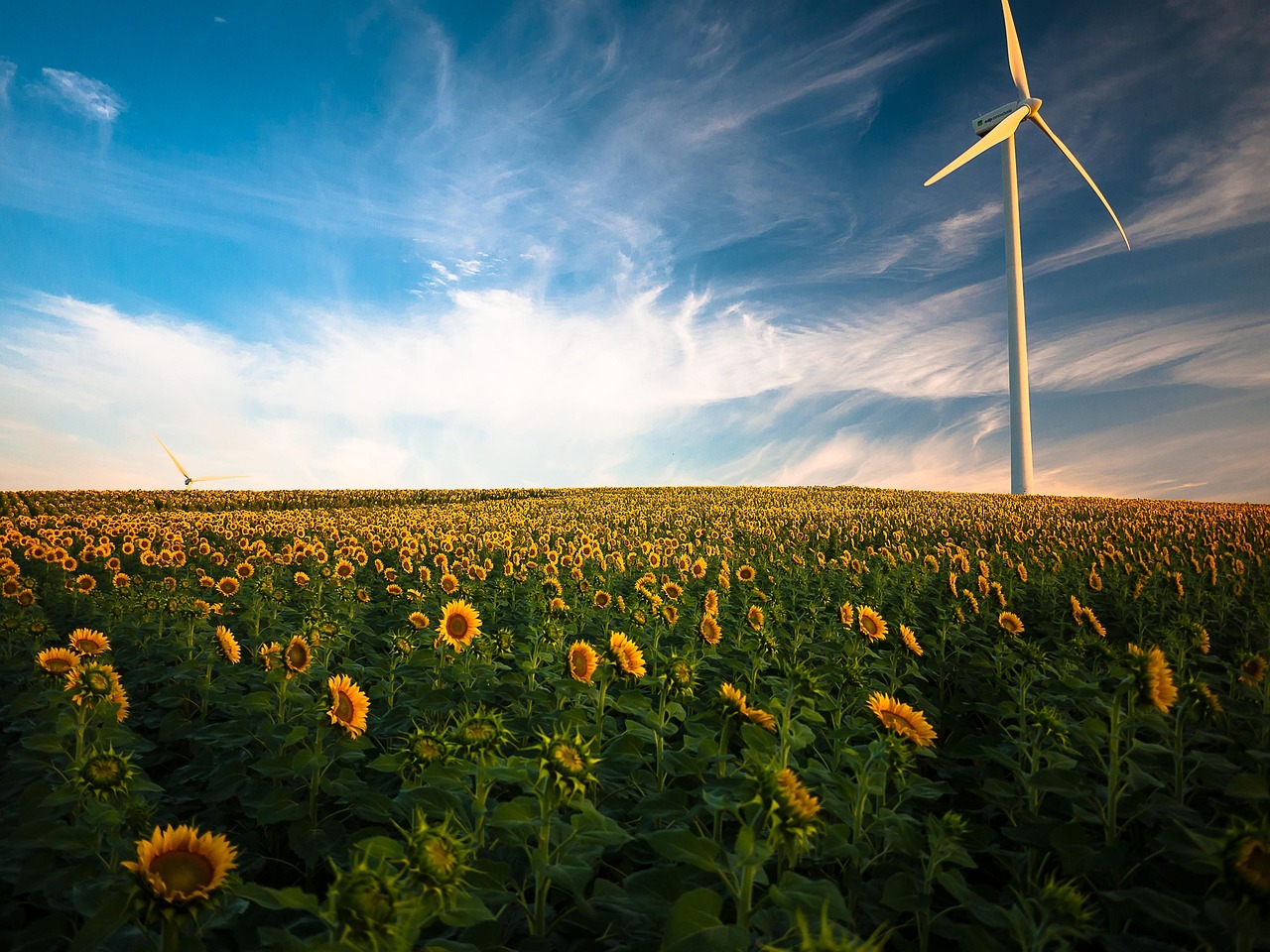
Harnessing the Power of Nature: A Deep Dive into Renewable Energy
In an era haunted by the specter of climate change and diminishing natural resources, the transition towards sustainable and clean energy sources is not just a choice but a necessity. Renewable energy represents a beacon of hope and opportunity, promoting both environmental stewardship and energy independence. This expansive guide delves into how renewable energy harnesses the earth’s natural resources to power our lives, examining its benefits, technologies, and the challenges it faces in a modern energy landscape.
The Basics of Renewable Energy
Renewable energy originates from natural processes that are continuously replenished. These sources include sunlight, wind, rain, tides, waves, and geothermal heat. Each type of renewable energy resource contributes to the diversified energy mix that can sustain not only environmental balance but also economic stability and energy security.
Key Components of Renewable Energy Technologies
- Solar Power: Utilizes photovoltaic cells to convert sunlight directly into electricity.
- Wind Power: Converts air flow using wind turbines to generate electricity.
- Hydropower: Uses water flow to drive turbines that produce electricity.
- Bioenergy: Derives usable energy from biological materials like plant matter and waste.
- Geothermal Energy: Harnesses heat from beneath the earth’s crust to generate electricity and provide heating.
Environmental and Economic Benefits
Transitioning to renewable energy is not only crucial for reducing dependence on fossil fuels but also for mitigating climate change. Here are a few significant advantages:
- Reduction in Greenhouse Gas Emissions: Unlike conventional power sources, most renewables emit little to no greenhouse gases, even when considering the full lifecycle of the technologies.
- Sustainable Energy Supply: Renewable resources are naturally replenished, providing a virtually inexhaustible energy supply, contrary to finite fossil fuels.
- Job Creation: The renewable energy sector has proven to be more labor-intensive than fossil fuel technologies, therefore creating numerous job opportunities across the globe.
- Energy Independence: Countries can reduce their dependence on imported fuels by developing their renewable resources, enhancing their energy security and geopolitical stability.
Economic Impact and Growth Potential
The global renewable energy sector is burgeoning, driven by technological advancements and supportive government policies. According to the International Energy Agency (IEA), renewable energy capacity is set to expand by 50% between 2019 and 2024, led by solar energy. This rapid expansion is contributing to economic growth in numerous countries by stimulating technological innovations, operational expansions, and workforce augmentation.
The Role of Government Policies
Government initiatives play a pivotal role in accelerating the adoption of renewable energy technologies. Incentives like tax credits, grants, and rebates can make renewable energy projects more financially viable. Furthermore, setting legislative frameworks such as Renewable Portfolio Standards (RPS) obligates utilities to produce a specific percentage of electricity from renewable sources, therefore fostering a more sustainable energy future.
Common Challenges Facing Renewable Energy
While the benefits are plentiful, the path to a renewable-powered world is fraught with challenges. Some of these include:
- Intermittency Issues: Many renewable resources are not available around the clock. The sun sets, and the wind stops blowing, leading to fluctuating energy levels which can impact grid stability.
- High Initial Costs: Despite a significant reduction in costs over the past decade, renewable technologies still require substantial upfront investment.
- Geographic Limitations: The potential of renewable energy systems can vary significantly depending on geographic and environmental factors.
Technological Innovations and the Future of Renewable Energy
Addressing the challenges and maximizing the potentials of renewable energy demand continuous technological innovation. Advances such as battery storage technology, smart grids, and enhanced efficiency of photovoltaic cells are playing pivotal roles. Moreover, emerging technologies like artificial photosynthesis and enhanced geothermal systems are expected to provide further impetus to the renewable sector.
Global Renewable Energy Trends
Renewable energy adoption is growing at an unprecedented rate. Countries like China, the United States, and Germany are leading in terms of installed renewable capacity. Intense research and more favorable policies are expected to further boost the deployment of renewable energies. As the sector evolves, it will undoubtedly have a far-reaching impact on how nations generate, consume, and perceive energy.
Conclusion
The harnessing of renewable energy marks a crucial step towards a sustainable future. By diversifying energy sources, enhancing community resilience, and reducing environmental impacts, renewables not only offer a promising alternative to conventional energy sources but also align closely with global efforts to combat climate change. As technology progresses and integration challenges are addressed, the prospect of a fully renewable energy grid seems increasingly attainable.
Encouraging wider adoption requires concerted efforts from governments, businesses, and individuals alike. With ongoing commitment and innovation, renewable energy has the potential to redefine our energy blueprint and pave the way towards a cleaner, more sustainable future.